
Environmental sustainability report
Our commitment to responsible travel
Bangladesh is not just a destination; it is a living, breathing ecosystem. From the dense, tidal mysteries of the Sundarbans to the rolling altitudes of the Chittagong Hill Tracts, down through our expansive coastal regions and the vascular network of our river deltas, the natural geography of this country is both profoundly beautiful and inherently fragile. As a modern travel company based in Dhaka, we recognize that bringing travelers into these ecosystems carries a deep responsibility. Tourism, when unchecked, can erode the very environments it seeks to celebrate. At Bynd Bangladesh, we reject the industrial model of mass tourism. Instead, we believe that responsible travel requires intentionality, restraint, and a fundamental respect for the natural world. This is not corporate social responsibility; it is the baseline requirement for operating in one of the most ecologically dynamic countries on earth.
Our approach to low-impact exploration
We design our itineraries with a philosophy of minimal extraction and maximum preservation. This begins with footprint control. We prioritize small-group travel, ensuring that our presence in delicate environments does not overwhelm local carrying capacities. Rather than relying on sprawling resort infrastructures that displace local ecology, we prioritize community-based accommodations and partner with local operators who understand the rhythms of their native environments. Crucially, our approach requires temporal awareness. We actively avoid routing travelers into ecologically fragile areas during sensitive periods, such as wildlife breeding seasons or peak monsoons when trails and riverbanks are most vulnerable to erosion.
Destination stewardship
Different environments require different rules of engagement. Our operational guidelines are tailored to the specific ecological realities of the regions we explore.
-
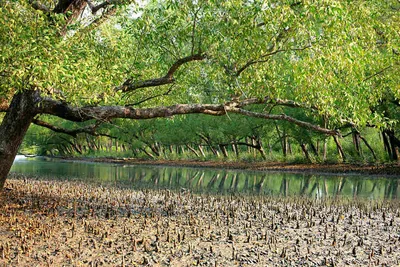
The mangrove forests
The Sundarbans, the largest contiguous mangrove forest in the world, is a critical carbon sink and a sanctuary for endangered wildlife. Our expeditions here enforce a strict zero-noise policy, prohibit the use of single-use plastics on our chartered vessels, and mandate precise navigation paths to prevent riverbank degradation from boat wakes.
-
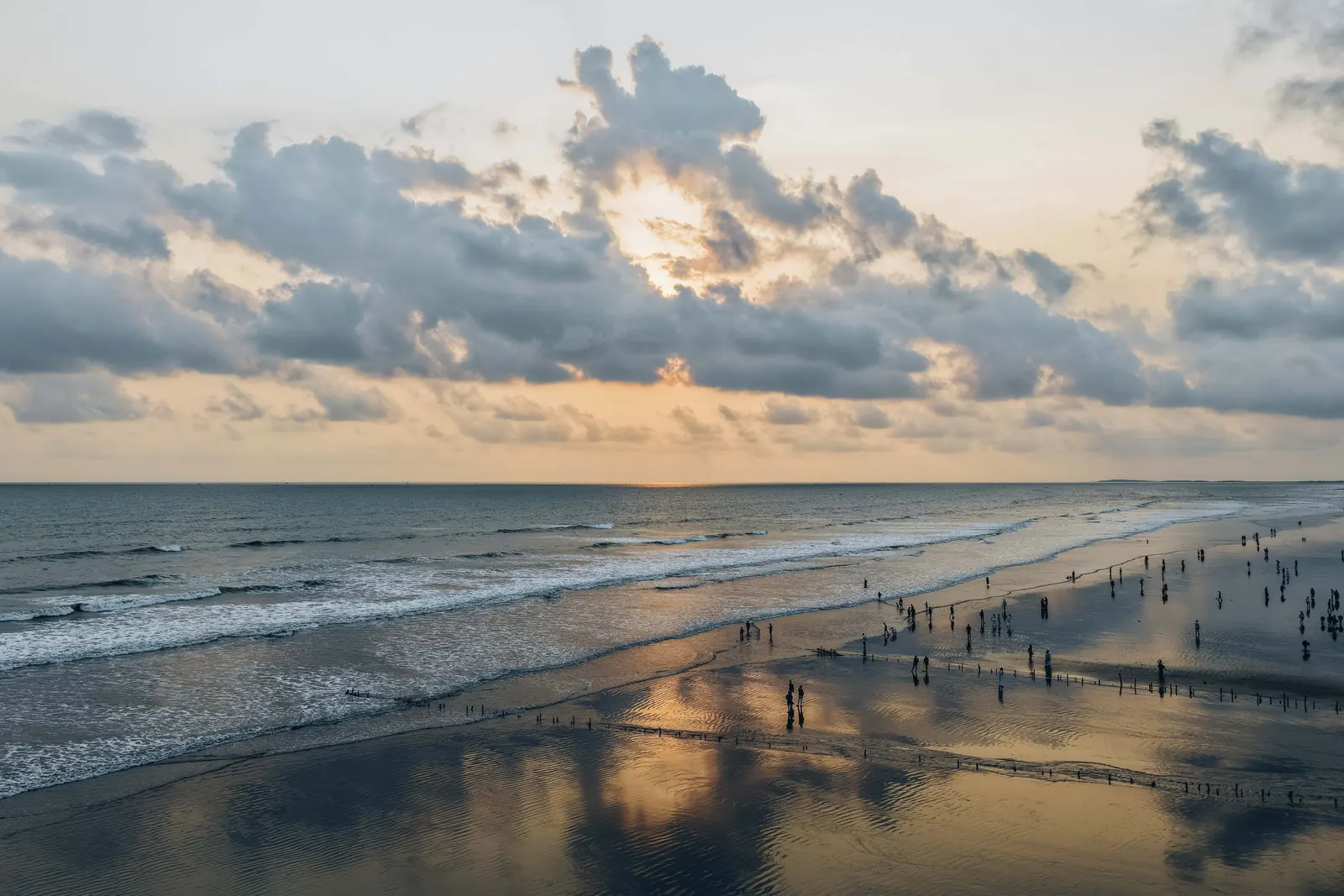
Coastal and marine zones
Along the stretches of Cox's Bazar and the coral ecosystems of St. Martin's Island, the threat of over-tourism is palpable. We partner exclusively with operators who adhere to strict waste management protocols and prioritize itineraries that disperse foot traffic away from hyper-concentrated tourist zones, reducing the strain on local marine life and coastal waste systems.
-
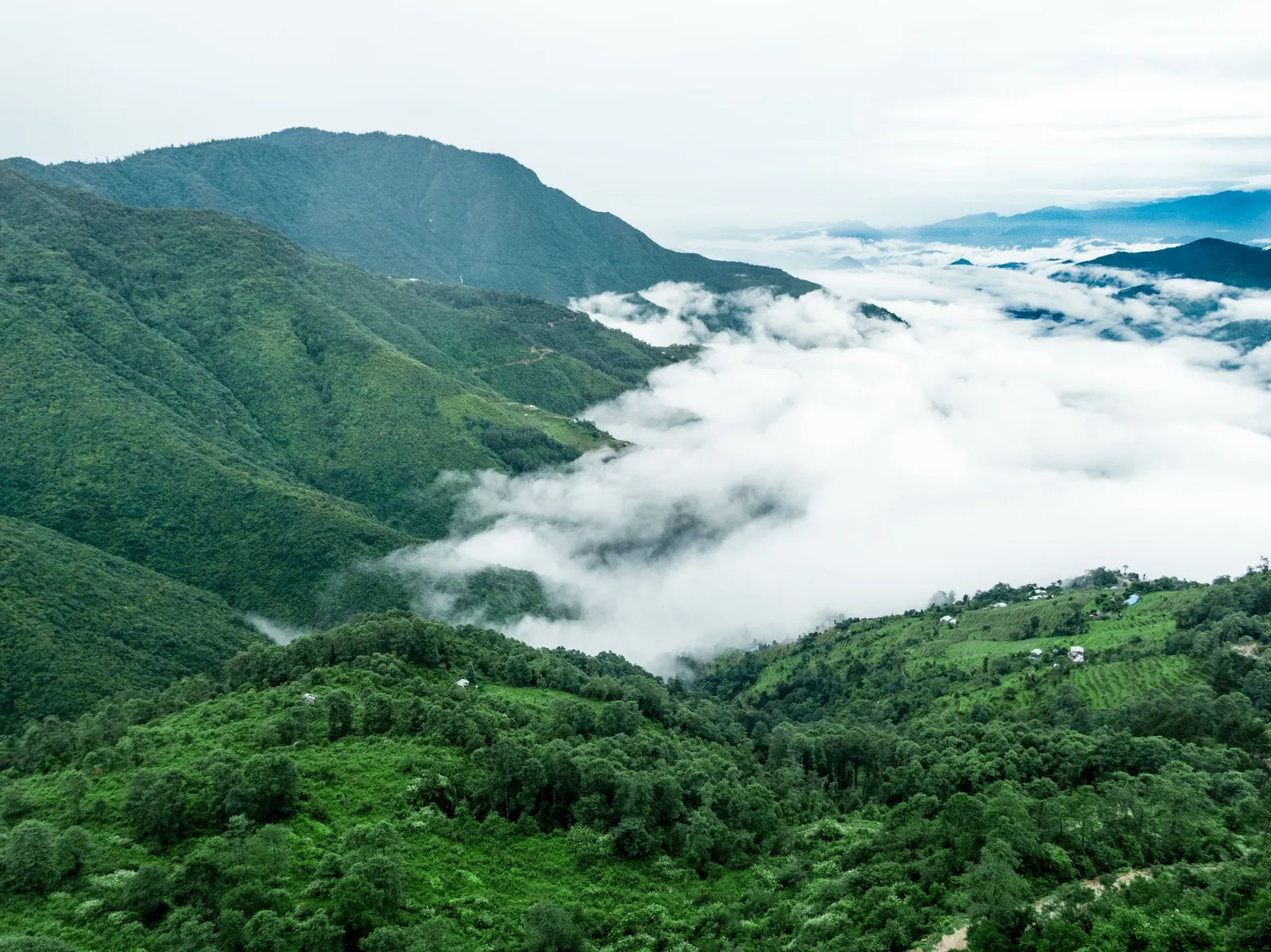
The hill regions
The Chittagong Hill Tracts are defined by their biodiversity and indigenous heritage. Here, our focus is on trail preservation. We enforce strict "pack in, pack out" policies, utilize established trekking routes to prevent deforestation and habitat disruption, and work with local guides who enforce ecological boundaries.
-
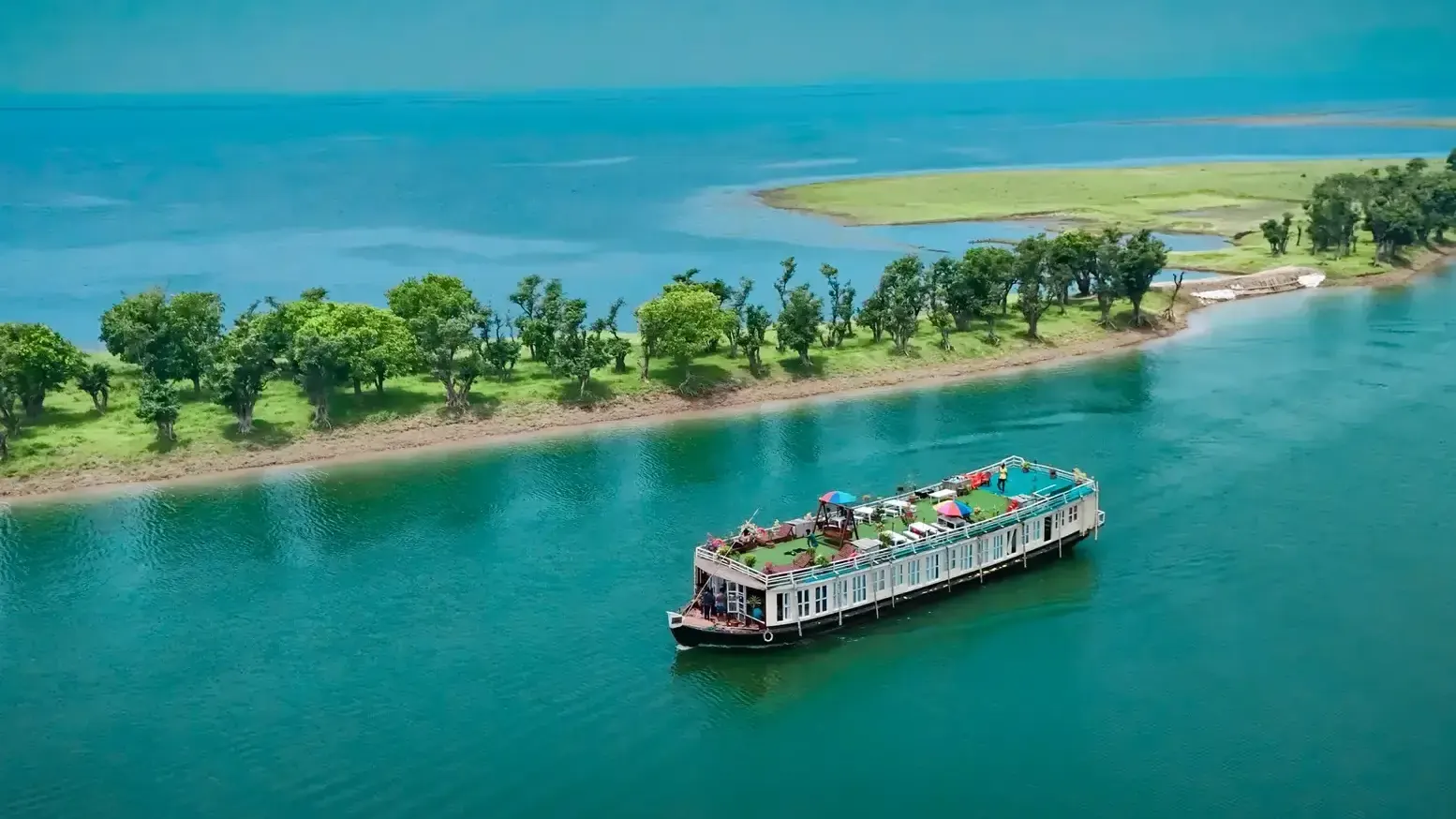
River and wetland networks
Our riverine culture is the lifeblood of Bangladesh. When navigating the haors and river deltas, we favor non-motorized transport where feasible, or partner with vessel operators who maintain modern, low-emission engines to prevent water contamination and protect aquatic biodiversity.
Our ongoing commitments
True sustainability is measured in action, not marketing. Today, Bynd Bangladesh operates under the following concrete commitments:
-
Strict capacity limits
We cap our expedition sizes to ensure our footprint remains entirely manageable and non-disruptive to the environments we visit.
-
Plastic reduction mandate
We do not provide, nor do we allow our direct partners to provide, single-use plastic water bottles or serving ware during our managed field operations.
-
Digital-first operations
By utilizing a modern tech stack for our bookings, itineraries, and administration, we have eliminated paper waste from our operational pipeline.
-
Ecological vetting
We refuse to partner with any regional operator, hotel, or transport service that demonstrates a history of environmental negligence or illegal land encroachment.
-
Seasonal rest periods
We actively pull certain itineraries from our catalog during high-stress ecological seasons, sacrificing potential revenue to allow natural habitats to recover.
What we are working toward
We are proud of our baseline, but we are not finished. As Bynd Bangladesh scales, our environmental infrastructure must scale with it. We are currently actively working toward formalizing a Responsible Tourism Certification to subject our operations to third-party ecological audits. Furthermore, we are in the early stages of establishing a localized carbon offset partnership, bypassing international carbon markets to invest directly in afforestation projects within Bangladesh. Finally, we are laying the groundwork for a dedicated Community Environmental Fund, directing a fixed percentage of our profits toward local conservation efforts managed by the communities living on the front lines of climate change.
We did not start this company merely to show people the world; we started it to show the world Bangladesh. We want the rivers to remain navigable, the forests to remain wild, and the hills to remain resilient for generations to come. Protecting this land is not a marketing strategy for us. It is our home, and we intend to treat it with the exact level of reverence it deserves.